
Our Treaty Settlement
On 17 September 2026, Ngai Tai reached a significant milestone: the initialling of Ngakingaki Te Whenua, our Deed of Settlement.
Step 2 of 5. You are here: Learn & Kōrero
- Initialling (done)
- Learn & Kōrero (current step)
- Ratification Hui
- Vote
- Signing & Implementation
Understand our settlement.Explore what it means for Ngai Tai.Have your say.
Only have a few minutes?
The quick version covers the history, the Crown's apology, cultural redress, financial and commercial redress, and answers to common questions, in a few pages.
Where are we up to?
This page is the central place for Ngai Tai uri to access information about our Treaty settlement journey. Here you will find the Deed of Settlement and supporting documents, information about the proposed post-settlement governance arrangements, settlement updates, and information about the upcoming ratification process.
Initialling is not the end of our journey. The next step is for our uri to understand what has been negotiated, ask questions, kōrero together and, through ratification, have their say on our future.
Whakapūmautia te mana motuhake o Ngai Tai.
What initialling means
Ngai Tai and the Crown have agreed the terms of Ngakingaki Te Whenua, our Deed of Settlement, and initialled it on 17 September 2026.
What it does not mean
It does not mean uri have approved the settlement. That decision is yours, made through ratification.
What's in our settlement?
Based on Te Tari Whakatau's Quick Reference Guide. Choose a part to see what it covers.
Our story and the Crown apology
In June 1840, three Ngai Tai rangatira, Pūtiki, Rangihuatake and Taku, signed te Tiriti o Waitangi at Tōrere. In the years that followed, the Crown confiscated land, individualised our title through the Native Land Court, bought more than 70,000 acres in our rohe, and promoted laws and schooling that punished our reo and tikanga.
The Deed records this history. The Crown acknowledges and apologises for well-founded breaches of te Tiriti, including environmental degradation, assimilation policies, the confiscation of Ngai Tai land, discrimination against Ngai Tai veterans and kaumātua, the Tōrere Development Scheme, and the failure to protect te reo Māori.
Cultural redress
Cultural redress recognises the traditional, historical, cultural and spiritual associations Ngai Tai has with places in our settlement redress area.
Three reserves are created for cultural association and ecological restoration: He Pito Whanake (about 9,000 hectares, vested in Ngai Tai), Ngai Tai Raukūmara Reserve (about 2,400 hectares, which Ngai Tai will manage and has the right to purchase), and a shared reserve of about 5,800 hectares managed jointly with Te Whānau a Apanui. Ngai Tai also receives three sites in fee simple: Te Kura o Tōrere (land only, leased back to the Crown), Te Atuahauta and Whitikau.
Two place names are restored, with Tōrere River becoming Wainui te Awa and Waiiti Stream becoming Wai Tii te Awa. There are statutory acknowledgements over Wainui te Awa, Wai Tii te Awa and ōnewa, and relationship agreements with Crown agencies.
Financial and commercial redress
Financial redress is $12 million plus interest, which includes $1 million towards the costs of a resource consent for aquaculture.
Commercial redress includes the right to purchase Ngai Tai Raukūmara Reserve within five years of settlement, and a right of first refusal over that land for 186 years. About 5,000 hectares of marine space is reserved for 35 years, during which Ngai Tai has the exclusive right to apply for aquaculture permits. Subject to confirmation of Crown ownership, there is also a right of first refusal over Part Tōrere Reserve 2 for 186 years.
The aim is to give Ngai Tai resources to develop our economic and social wellbeing.
What the settlement does
The settlement is a final and comprehensive settlement of all historical Treaty of Waitangi claims of Ngai Tai, meaning claims about what the Crown did or failed to do before 21 September 1992. Once the settlement legislation is passed, those claims cannot be taken back to the Waitangi Tribunal or the courts.
It takes effect once the settlement legislation has been passed, and its benefits are available to all members of Ngai Tai, wherever they live.
It does not stop Ngai Tai pursuing claims about Crown actions after 21 September 1992, and the Wai 1750 North Eastern Bay of Plenty inquiry can continue.
What does this mean for Ngai Tai?
The practical questions whānau are asking, answered from the Quick Reference Guide.
What are we receiving?
A package of three parts: an agreed history with a Crown apology, cultural redress, and financial and commercial redress. In numbers, that is $12 million plus interest, about 17,200 hectares managed as reserves (about 9,000 owned on settlement date, with the chance to purchase 2,400 more and jointly own 5,800), three sites in fee simple, and about 5,000 hectares of marine space for aquaculture.
All members of Ngai Tai benefit, wherever they live.
What changes?
Two place names are restored: Wainui te Awa and Wai Tii te Awa. Ngai Tai will be appointed to control and manage the reserves and the marginal strips in our settlement redress area. Legal restrictions (memorials) on the titles of some Crown-linked properties are removed once all Treaty claims in the area are settled. And our historical claims are settled for good.
What stays the same?
No private land is involved, and the public's rights are not affected. Existing third-party rights and values such as public access and conservation are protected on the reserves, and the aquaculture reservation does not prevent other compatible consents. Ngai Tai can still pursue claims about Crown actions after 21 September 1992.
What could this open up for us?
The financial and commercial redress is meant to give Ngai Tai resources to develop our economic and social wellbeing. The Deed gives us options to weigh up, including the exclusive right to apply for aquaculture permits over about 5,000 hectares for 35 years, and the right to purchase Ngai Tai Raukūmara Reserve. What we do with them is for uri to talk through, starting at the ratification hui.
What happens next?
The path from initialling through to a signed, implemented settlement.
Done
Initialling
Ngai Tai and the Crown initialled the Deed of Settlement on 17 September 2026.
You are here
Learn & Kōrero
Uri read the settlement, ask questions and kōrero together, before any vote is called.
Coming up
Ratification Hui
Hui are held so uri can hear directly from Ngai Tai Iwi Authority and ask questions in person.
Coming up
Vote
Registered adult uri vote on whether to ratify the settlement.
Coming up
Signing & Implementation
If ratified, the Deed is signed. The settlement takes effect once the settlement legislation has been passed.
01/20
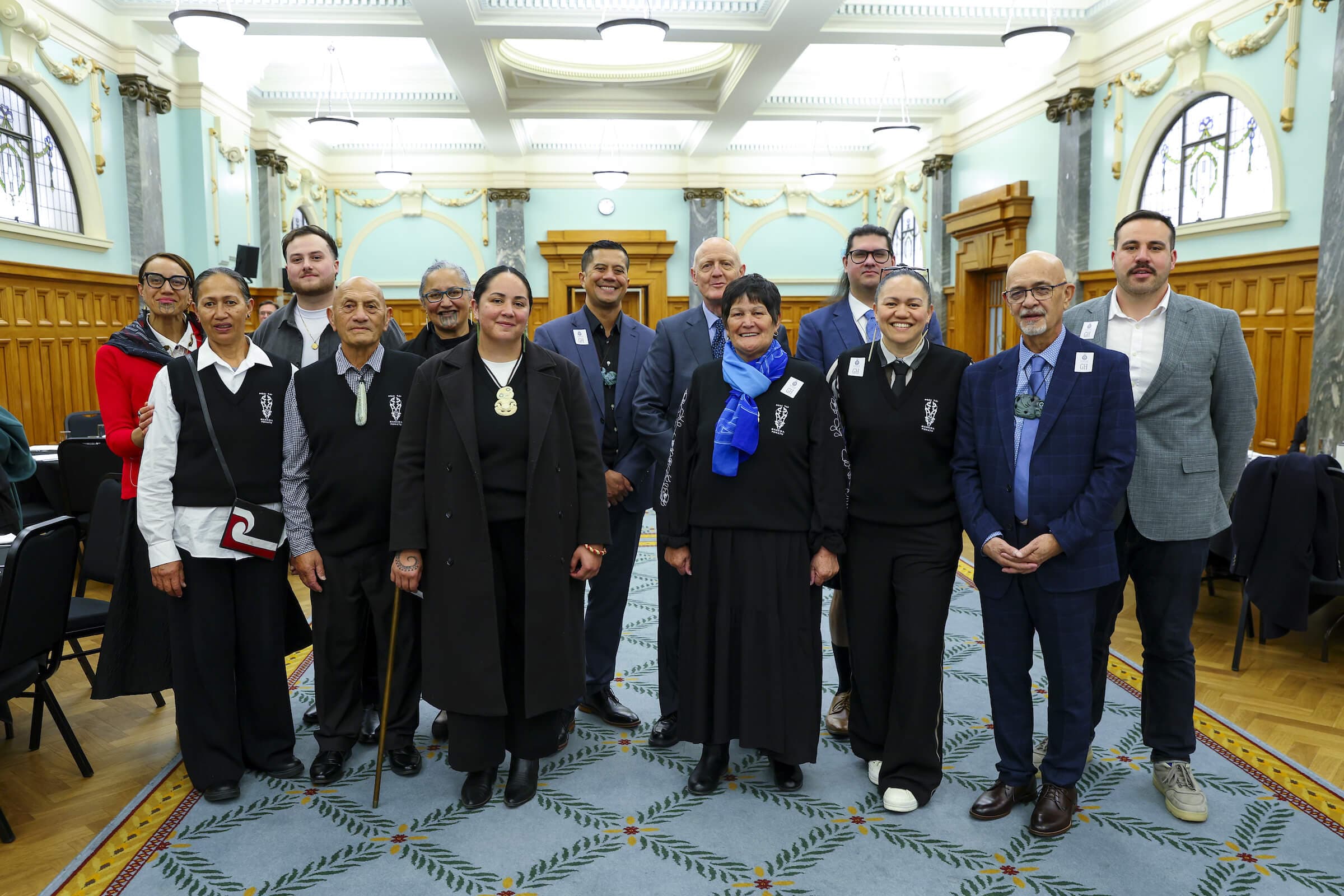
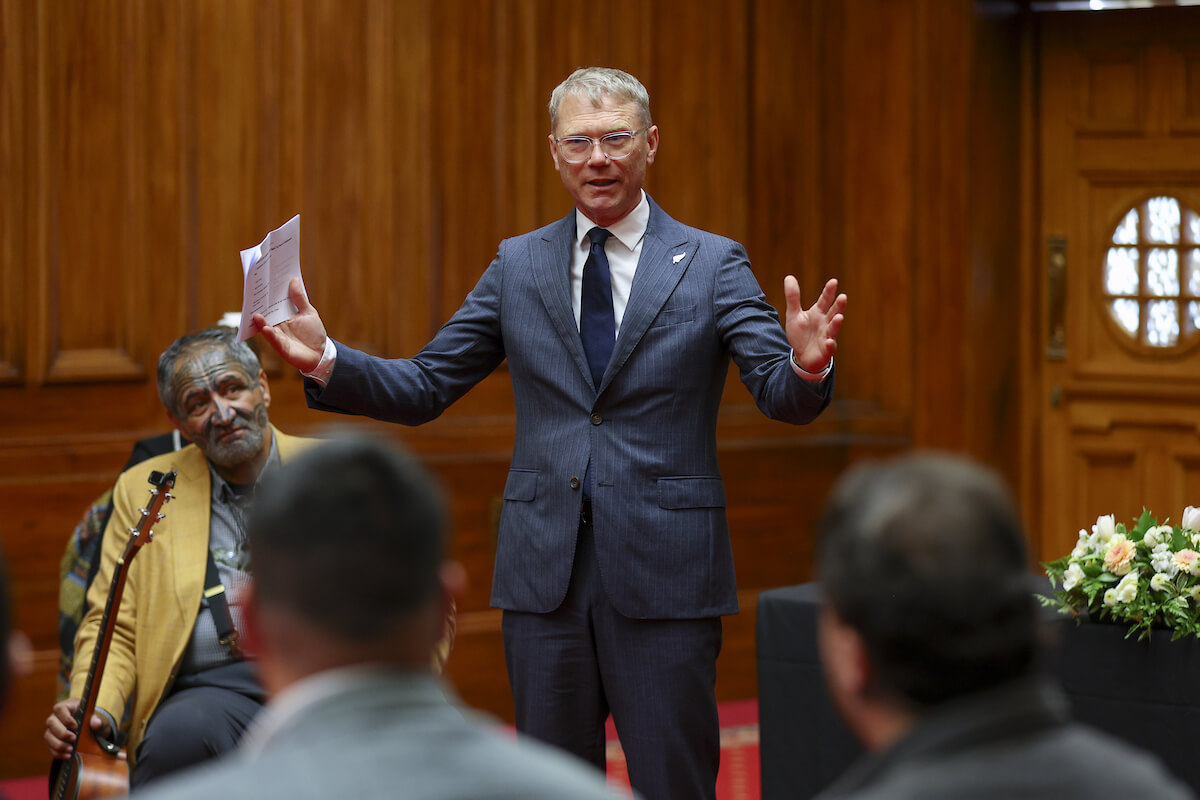
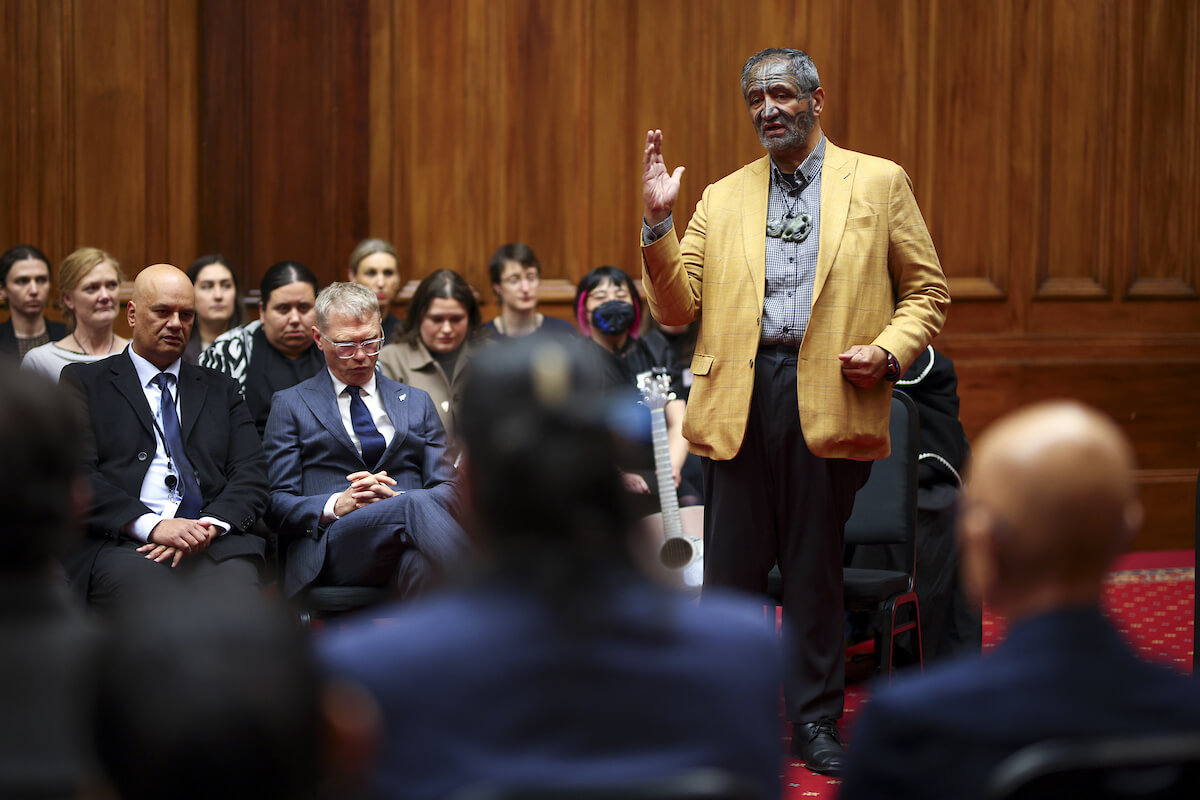
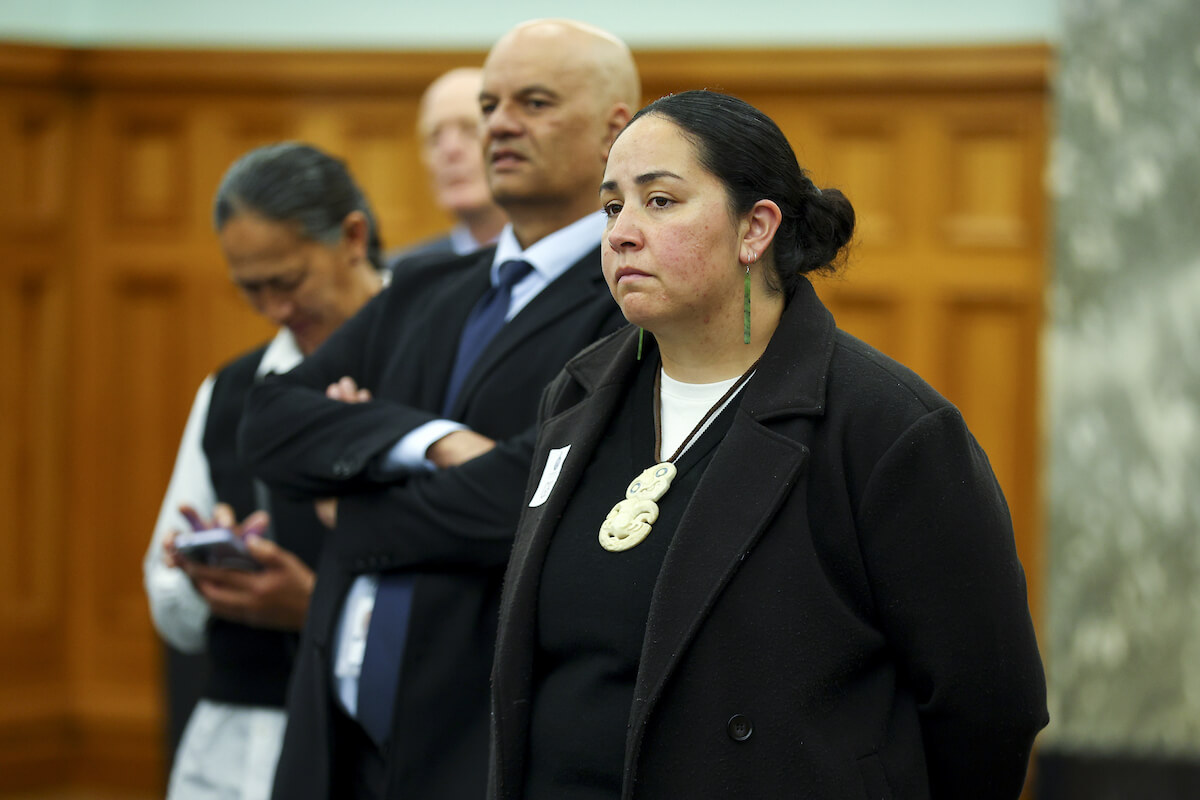
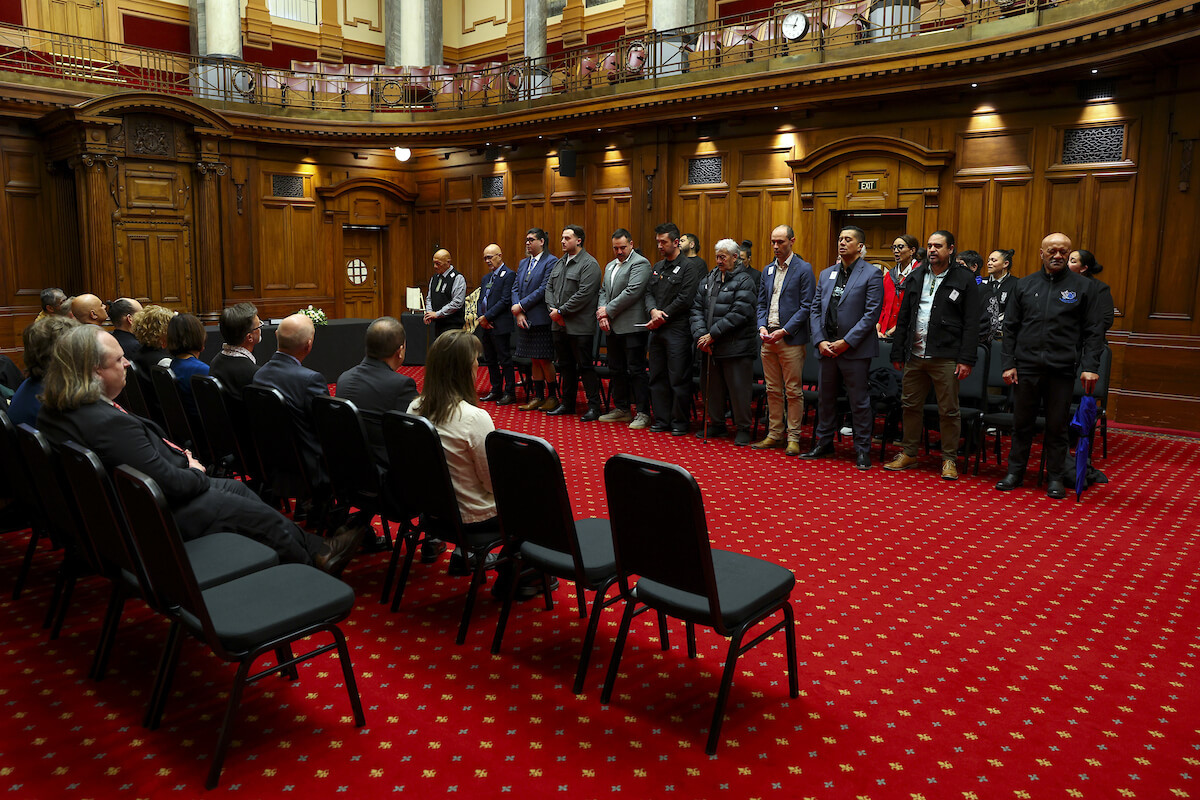
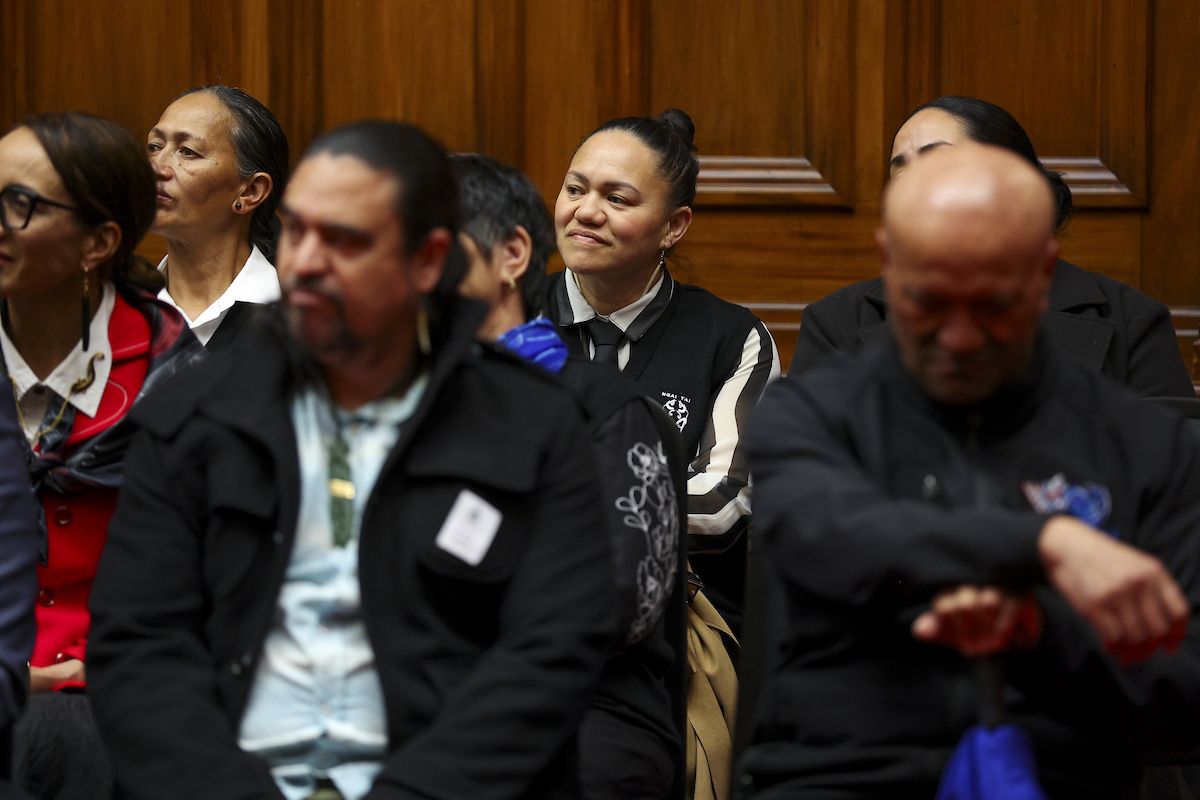
Initialling day
Photos from 17 September 2026, when Ngai Tai and the Crown initialled the Deed of Settlement.
More from initialling day
Showing 1–15 of 104 photographs
Settlement documents
The Deed of Settlement and supporting documents, held here for uri. Te Tari Whakatau holds the official Crown copy.
Deed of Settlement
Treaty Settlement
25 September 2026
Te Tari Whakatau holds the official Crown record of our settlement.
Have your say
This is your settlement. If you have a question, or want to know how to get involved before ratification, get in touch.